
Find Your Next Chapter
in a New Jersey
55+ Community
A complete guide to buying a home in a New Jersey 55+ active adult community — from listings and HOPA law to contingencies, HOA rules, and NJ property tax programs. Backed by 40+ years of local expertise.
Companies of the World
55+ Homes For Sale in New Jersey
Active adult community homes available now across Central and Southern New Jersey — updated live from the MLS.
55+ Homes For Sale


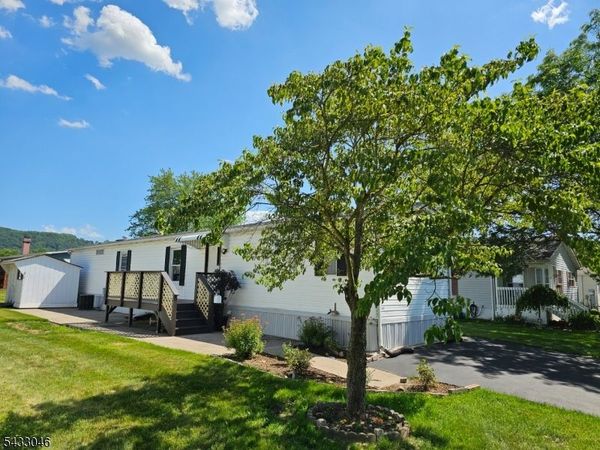

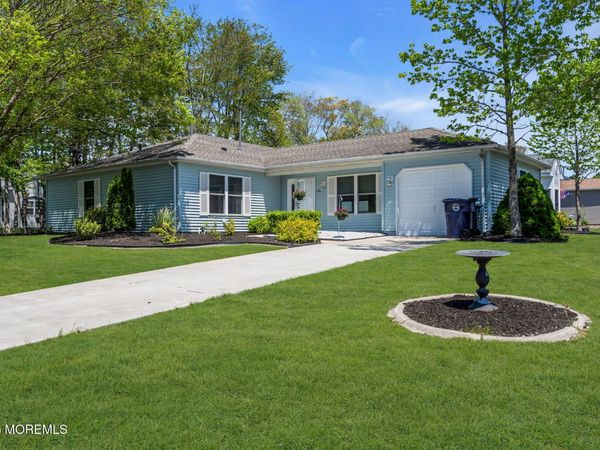
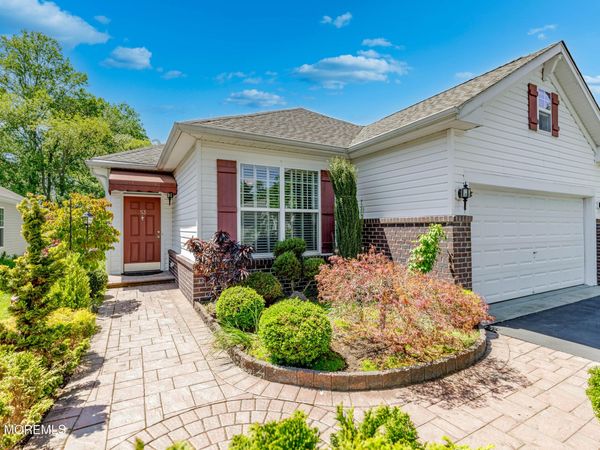
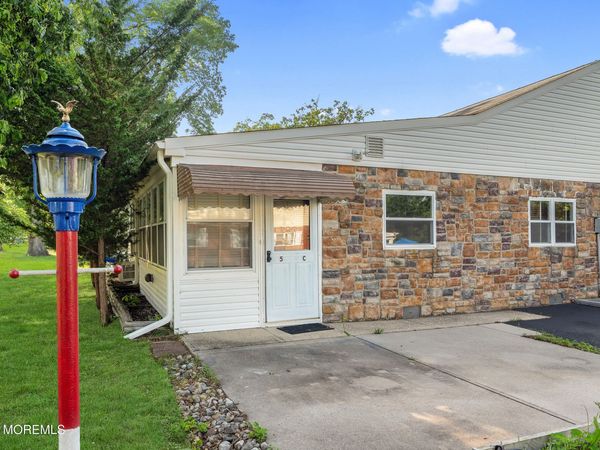
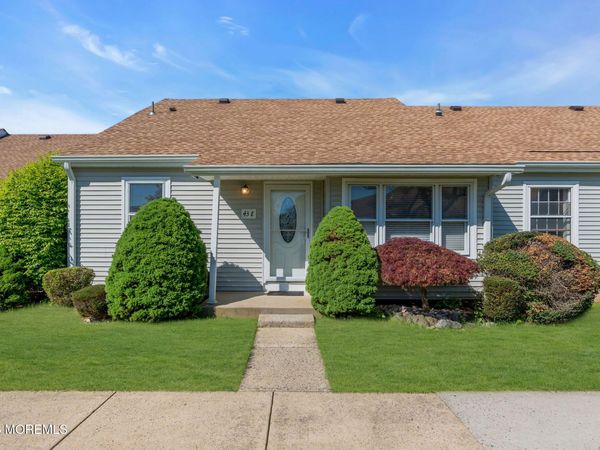
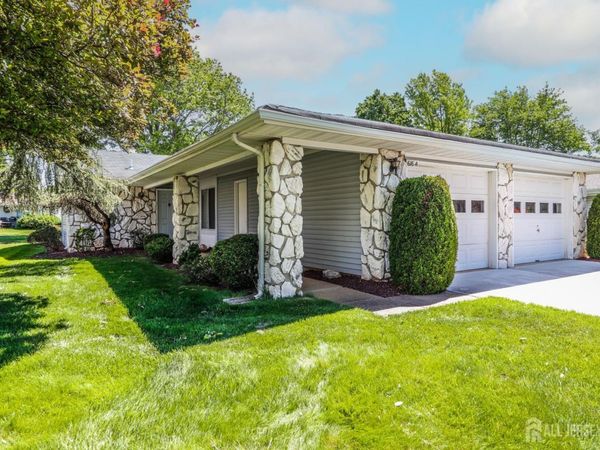
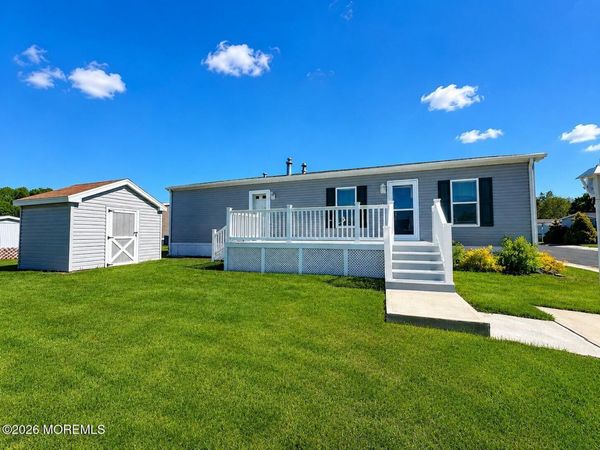
 Loading more properties...
Get Instant Alerts on New Listings
Be the first to know when properties that match your search hit the market.

What Is a 55+ Community?
Age-restricted communities operate under a specific federal legal framework. Here's what defines them and why buyers choose them.
Federal Law: HOPA
The Housing for Older Persons Act of 1995 (HOPA) is a federal law that permits qualifying communities to restrict occupancy by age without violating the Fair Housing Act. To qualify, at least 80% of occupied units must have one resident 55 or older, and the community must maintain documented age-verification procedures and publish policies demonstrating intent to serve 55+ residents.
Who Qualifies to Live There
At least one occupant per home must be 55 years of age or older. A younger spouse or domestic partner may reside alongside the qualifying occupant. Individual communities may impose stricter requirements within their CC&Rs — for example, requiring all permanent residents to be 55+. Policies on guests and visit length vary by community.
Types of 55+ Homes in NJ
New Jersey's 55+ market includes single-family homes in planned communities, attached townhomes and condos, and manufactured homes in age-restricted parks. Many feature resort-style amenities such as clubhouses, pools, and fitness centers. Each community has its own HOA structure and governing documents.
Verify the Community's Status
Before making an offer, confirm the community is actively maintaining its HOPA-qualified status. Ask for documentation showing the community's current age-verification records and evidence that the 80% occupancy threshold is being met. A community that fails to maintain these requirements loses its legal exemption under federal law.
Fair Housing Protections Still Apply
Even within a lawfully age-restricted community, the Fair Housing Act still prohibits discrimination on the basis of race, color, national origin, religion, sex, disability, and familial status. Neither sellers nor HOAs may use age-restriction rules as a pretext for discrimination on any other protected basis.
Why Buyers Choose 55+ Communities
Buyers commonly cite the low-maintenance lifestyle (HOA-managed lawns and exteriors), quiet neighborhoods with age-matched neighbors, and access to amenity programming designed for active adults. The predictability of HOA-managed upkeep is particularly appealing to buyers downsizing from larger single-family homes.
Well-Known 55+ Areas in NJ
New Jersey has a long history of active adult community development, particularly in Ocean County and Middlesex County. Below are well-established areas and communities in the market.
Monroe Township
Middlesex CountyMonroe Township is one of the most recognized 55+ hubs in NJ. Home to several large, established communities including Concordia, Rossmoor, and Greenbriar at Whittingham — known for extensive amenity campuses and organized social programming.
Toms River & Berkeley Township
Ocean CountyOcean County contains a significant concentration of 55+ communities. The Holiday City developments across Toms River and Berkeley Township have been active adult communities for decades, offering accessible price points and proximity to the Jersey Shore.
Manchester Township
Ocean CountyManchester Township is home to the Crestwood communities, among other age-restricted developments. Buyers will find a range of single-family and attached options at various price points, with a high proportion of 55+ housing relative to total housing stock.
Southampton Township
Burlington CountyLeisuretowne in Southampton Township is one of New Jersey's oldest and largest age-restricted communities, with an extensive amenity package, active social calendar, and a range of resale homes in a more rural setting.
Barnegat Township
Ocean CountyBarnegat is home to Greenbriar Oceanaire, a resort-style active adult development. Ocean County's southern municipalities offer options ranging from established resale communities to newer construction.
Monmouth County
Monmouth CountyCommunities including Four Seasons at Tennent (Manalapan) offer proximity to the coast, major transit corridors, and urban amenities. Monmouth County tends to carry higher price points but offers exceptional location advantages.
Community availability, pricing, HOA fees, and rules change over time. Always verify current status, governing documents, and HOPA qualification directly with the community's HOA or management company before making any purchasing decisions.
Buying with a Contingency
Most 55+ buyers in New Jersey are selling an existing home. A contingency offer protects you — but requires a clear strategy, especially in competitive markets.
Eligibility & Federal Law
The right to restrict housing by age is governed by federal law. Understanding HOPA is essential before purchasing in any age-restricted community in New Jersey.
Housing for Older Persons Act of 1995
HOPA created an exemption under the Fair Housing Act allowing communities to legally restrict residency to persons 55 or older. Three conditions must be met:
- 80% occupancy rule: At least 80% of occupied units must have at least one resident who is 55 years of age or older.
- Intent policy: The community must publish and adhere to policies demonstrating an intent to be housing for persons 55 or older.
- Age verification: The community must comply with HUD's age verification procedures and maintain documented records of occupant ages.
NJ Planned Real Estate Development Full Disclosure Act
In New Jersey, planned real estate developments — including most 55+ communities — are governed in part by the Planned Real Estate Development Full Disclosure Act (N.J.S.A. 45:22A-21 et seq.), administered by the NJ Department of Community Affairs. This law establishes buyer disclosure rights, including the right to receive the public offering statement and governing documents before a purchase contract becomes binding.
Always request written documentation confirming the community's current HOPA-qualified status, including the most recent age-verification survey results. A community that fails to maintain these requirements loses its legal exemption and can no longer legally enforce age restrictions.
Common Age Eligibility Scenarios
These scenarios describe how HOPA generally applies. Individual community CC&Rs may be more restrictive. Consult a NJ real estate attorney for guidance on your specific situation.
NJ Senior Property Tax Programs
New Jersey offers several state-administered property tax relief programs for eligible seniors. Eligibility requirements and benefit amounts are set by the state and subject to change — always verify current criteria with the NJ Division of Taxation.
Senior Freeze (Property Tax Reimbursement Program)
The Senior Freeze program reimburses eligible NJ seniors and disabled persons for property tax increases above a “base year” amount. Generally requires age 65+, meeting income requirements, and NJ residency for a minimum number of years. The program “freezes” your taxes at the base-year level by reimbursing the difference. Contact the NJ Division of Taxation for current income limits and application details.
$250 Senior Citizen Property Tax Deduction
New Jersey provides a $250 annual property tax deduction for homeowners (and certain renters) who are 65 or older, or receiving certain disability benefits. You must meet income requirements and own and occupy the property as your principal residence. Applications are filed with your local tax assessor's office.
ANCHOR Program
The ANCHOR program provides property tax relief for NJ homeowners and renters who meet income eligibility requirements, regardless of age. It replaced the prior Homestead Benefit program. Benefit amounts are set by the state annually. Applications are typically filed electronically through the NJ Division of Taxation website.
StayNJ Program
The StayNJ Act was signed into NJ law in 2023, designed to provide property tax credits for eligible NJ residents age 65 and older. The program is being phased in — implementation details including benefit amounts and income thresholds are determined by the state and may change. Check NJ Division of Taxation for the most current status.
Source: NJ Division of Taxation · nj.gov/treasury/taxation · Program details subject to change
Understanding HOA Rules
Every 55+ community in New Jersey is governed by a Homeowners Association. The HOA's financial health, rules, and documents are among the most important factors in your purchase decision.
Monthly HOA Fees
HOA fees vary considerably by community size and amenity level. Review several years of financial statements to understand how fees have changed over time and whether the reserve fund is adequately funded. An underfunded reserve often signals future special assessments.
CC&Rs and Governing Documents
The Covenants, Conditions & Restrictions (CC&Rs) are recorded with the property deed and legally binding on all owners. In 55+ communities they define age requirements, permissible uses, and architectural controls. Review both the CC&Rs and bylaws carefully before closing.
Special Assessments & Reserve Fund
Beyond regular dues, HOAs may levy special assessments to cover large capital expenditures — road resurfacing, roof replacement, pool renovation. Ask for the most recent reserve study, which projects future major expenses and evaluates whether current reserves are adequate.
Pet Policies
Pet rules vary significantly. Common restrictions include weight limits, breed restrictions, caps on the number of pets per unit, and leash requirements. If pets are important to you, obtain the community's current pet rules in writing before you make an offer.
Exterior & Modification Rules
HOAs typically regulate exterior modifications including paint colors, fencing, landscaping, and additions. Many require Architectural Review Board (ARB) approval before any exterior modifications. Understand what approval is required and how long the review process takes.
Rental Restrictions
Many NJ 55+ CC&Rs restrict or prohibit short-term rentals. Long-term rentals may be permitted with HOA approval, but any tenant typically must also meet the community's age requirements. Some communities also cap the percentage of units that may be rented at one time.
NJ Planned Real Estate Law & Your Rights
Under the NJ Planned Real Estate Development Full Disclosure Act, buyers have the right to receive the public offering statement and governing documents prior to a binding purchase contract. You also have rights as a homeowner including attending open board meetings and accessing financial records.
Documents to Review Before Closing
Always request and carefully review: current CC&Rs and bylaws, current rules and regulations, the most recent 2–3 years of HOA financial statements, board meeting minutes from the past 12 months, the current reserve study, any pending special assessment notices, and documentation of any pending HOA litigation.
The Buying Process in NJ
Purchasing a 55+ home in New Jersey follows the standard real estate transaction process, with several community-specific steps. New Jersey's attorney review period is unique to the state.
Get Your Finances in Order
Obtain a mortgage pre-approval or, if you are 62+, consult a HUD-approved reverse mortgage counselor about a Home Equity Conversion Mortgage for Purchase (H4P). If you are selling your current home, have it evaluated so you know your expected net proceeds before you begin touring.
Work with a Knowledgeable Local Agent
Not all agents are equally familiar with NJ 55+ communities, HOA document review, or reverse mortgage interactions. Look for agents who regularly work in active adult communities. The SRES (Seniors Real Estate Specialist) designation indicates additional training in the needs of buyers aged 50+.
Tour Communities and Homes
Visit communities at different times of day. Talk to current residents if possible — they are an invaluable source of candid information about the HOA, management quality, noise levels, and community culture. Inspect the condition of common areas and amenity facilities as a reflection of HOA management.
Submit an Offer
Work with your agent to craft a competitive offer including your required contingencies. In New Jersey, a signed purchase contract initiates a mandatory 3-business-day attorney review period during which either party's attorney may disapprove or modify the contract — this is standard NJ practice.
Attorney Review Period (NJ-Specific)
New Jersey provides a standard 3-business-day attorney review period following execution of the purchase contract. During this time, either party's attorney may cancel or propose modifications without penalty. Both buyers and sellers in NJ are strongly advised to engage a NJ-licensed real estate attorney.
Complete Due Diligence
During your contingency periods: schedule your home inspection, review all HOA governing documents and financials, pursue your financing, and list your current home for sale if you have a home sale contingency. The HOA document review should be treated as seriously as the physical inspection.
HOA Application and Approval
Most NJ 55+ communities require a formal HOA application process for new residents, including age verification documentation. The HOA board must approve the application. Board meetings may only occur monthly — submit your application promptly after going under contract to avoid delays at closing.
Final Walkthrough and Closing
Conduct a final walkthrough, typically 24 hours before closing, to confirm the property's condition. NJ closings are typically conducted at a title company or attorney's office. After closing, review any move-in rules — many communities restrict moving trucks to certain days or hours.
Locally Trusted Experts. One Team.
Our agents live and work across Central New Jersey. When you work with Hallmark Realtors, you get the expertise and local knowledge your 55+ home search deserves.
Meet Our Agents →Real Reviews from Our Clients
500+ five-star reviews from NJ homeowners — including buyers who found their perfect active adult community.
Frequently Asked Questions
Buyer's Glossary
Terms you'll encounter when buying a 55+ home in New Jersey — defined plainly.
Federal law that exempts qualifying communities from the Fair Housing Act's prohibition on familial status discrimination, allowing them to legally restrict occupancy to persons 55 and older, provided specific occupancy, policy, and verification conditions are met.
A governing entity that enforces community rules, maintains common areas, and collects dues in a planned residential development. In 55+ communities, the HOA also administers age verification compliance.
Legally binding rules recorded in the property's chain of title that govern what owners may and may not do with their homes and lots. In 55+ communities, CC&Rs define the age requirements and can be more restrictive than HOPA minimums.
New Jersey law (N.J.S.A. 45:22A-21 et seq.) requiring sellers of homes in planned real estate developments to provide buyers with a public offering statement and governing documents before the purchase contract becomes binding.
A standard 3-business-day period under NJ real estate practice during which either party's attorney may disapprove or propose modifications to a signed purchase contract. Standard in all NJ residential transactions.
A contract clause making the purchase of the new home conditional on the buyer successfully selling their existing home within a specified timeframe. If the sale does not occur, the buyer may withdraw and recover their earnest money per contract terms.
A seller-protection clause that allows the seller to continue marketing a home after accepting a contingent offer. If another acceptable offer is received, the original buyer is given a contractually defined window to remove their contingency or step aside.
A federally-insured reverse mortgage product available to buyers 62 and older that allows purchase of a new home with a substantial down payment and no required monthly mortgage payments, provided the home remains the borrower's principal residence.
A short-term loan secured against the equity in a buyer's existing home, used to fund a new home purchase before the existing home is sold. Higher-rate and short-term by nature — intended to be repaid promptly from home sale proceeds.
A one-time charge levied by an HOA on all unit owners to cover a large, unexpected, or capital expense not covered by the regular operating budget or adequately funded by reserves.
The HOA's savings account for future major capital expenses. A reserve study projects upcoming major expenditures and evaluates whether current reserve funding levels are sufficient to meet them.
A designation from the National Association of Realtors for agents who have completed training in the unique needs of buyers and sellers 50 and older, including reverse mortgage products, downsizing transitions, and senior housing regulations.
Ready to Find Your
55+ Community?
Our agents know New Jersey's active adult communities inside and out. Contact us for a no-pressure conversation about your search, your timeline, and your options.
📍 112 Westfield Ave, Clark, NJ 07066
📞 (732) 574-9400
🌐 hallmarkrealtors.com
Serving buyers across Middlesex, Ocean, Burlington, Monmouth, Union, and Somerset Counties.
Request a Free Consultation

|
 |
